SuperSix EVO Gen 5
Members add this to their bikes to track battery and sensor health, stay ahead of wear, warranty, and recalls, and share their take as an owner. Start your Quiver · $19.99/yr →
- components
How much does the Cannondale SuperSix EVO Gen 5 weigh, and what are the frame tier options?
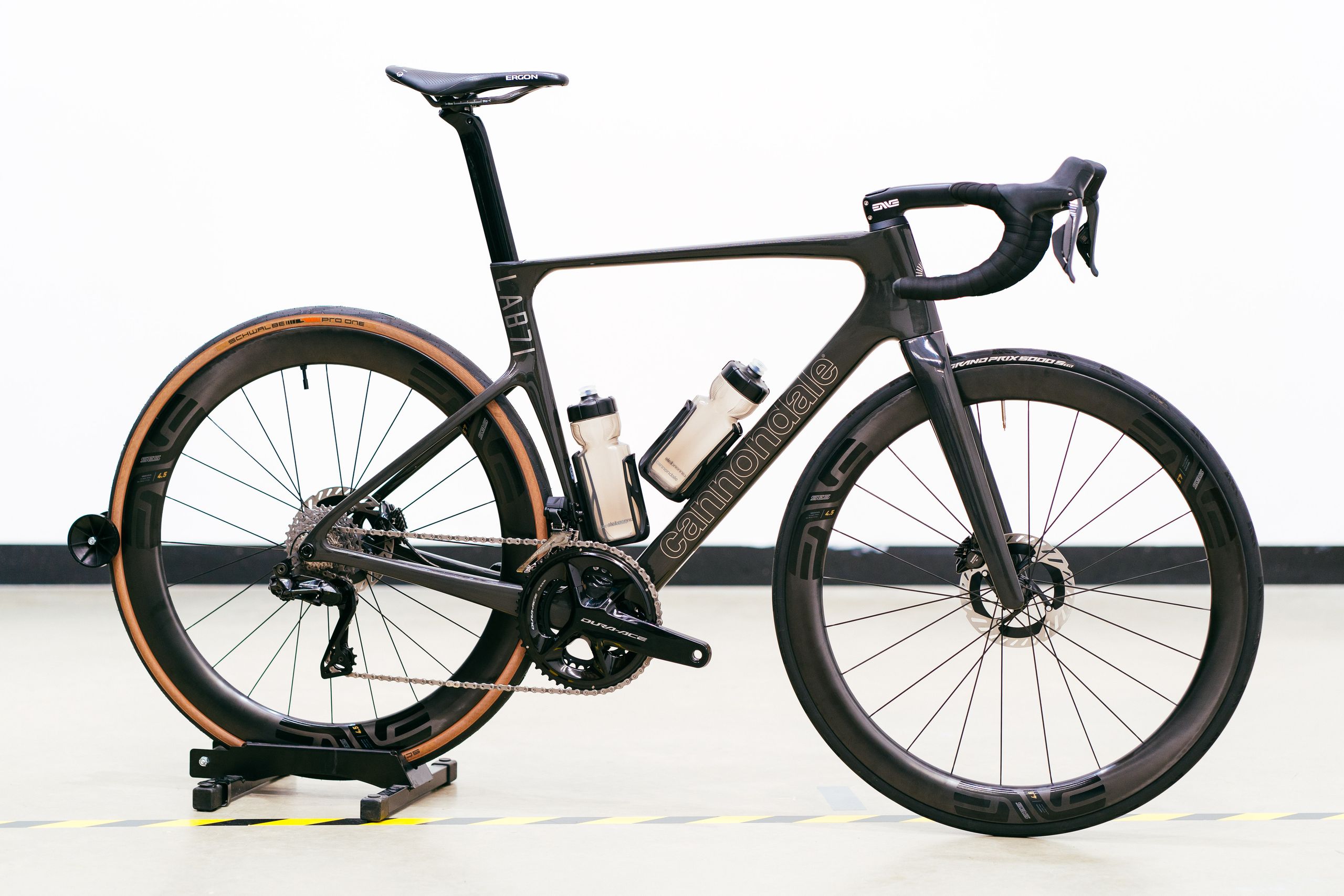
There are three frame tiers: the top-spec Lab71 (Series 0) weighs 728g frame / 392g fork; Hi-Mod is 781g / 414g; standard Carbon is 910g / 427g (all size 56, painted). Complete bikes range from ~6.35 kg (Lab71 SL climbing build) to ~7.7 kg (mid-tier Force AXS build with bottles).
- value · price
What is the price range for the SuperSix EVO Gen 5, and which build offers the best value?
US prices run from $4,999 (Evo 5 with 105 Di2) to $13,499 (Lab71 top builds); UK range is £4,495–£12,500. Multiple reviewers single out the lower-tier builds (~$3,000–$5,000) as the sweet spot — one Velo reviewer explicitly says the entry mechanical build 'makes the flagship prices look absurd' and is the only build he'd personally buy.
- value · price
Is the Gen 5 worth upgrading to if I already own a Gen 4 SuperSix EVO?
No — multiple reviewers agree the changes are too incremental to justify the upgrade. BikeRadar, CyclingNews, and the BikeRadar YouTube reviewer all state that Gen 4 owners 'absolutely wouldn't be rushing out to upgrade' because the ride feel is nearly identical and the gains (72g, 10mm stack drop, modest aero) are imperceptible on the road.
- performance
How does the SuperSix EVO Gen 5 handle and perform on the road?
Handling is widely praised as a class highlight — the CyclingNews reviewer ranks it 'up there with the Pinarello Dogma F and Scott Addict RC Ultimate.' It's stiff, reactive, and exceptionally fast out of corners, though it can feel slightly skittish above 70–75 km/h and the longer, lower geometry may cause neck fatigue on long rides for riders not used to aggressive positions.
- vs. competitors
How aerodynamic is the Gen 5 compared to rivals like the Specialized Tarmac SL8 and dedicated aero bikes?
It's a genuine all-rounder, not an aero bike. Wind tunnel tests (Cyclingnews/Silverstone) show it's ~1.46W faster than the Gen 4 bike-only, and lands mid-pack with a rider on — 6.5W behind the Cervélo S5 and 5.5W behind the Factor ONE, but meaningfully ahead of the old gen. It trails the Tarmac SL8 aerodynamically, which 'overperforms in the aero category' for an all-rounder.
- fit · sizing
How does the Gen 5 SuperSix EVO fit compared to the previous generation — is the new geometry more aggressive?
Yes, noticeably more aggressive. The stack drops 10mm across all sizes (e.g., size 56 goes from 575mm to 565mm) and reach grows 4mm (389mm to 393mm), making it longer and lower. Cannondale also ships narrower bars (36–38cm vs. the old 42cm default on a 54) and shorter 170mm cranks on some builds — check these against your current setup before buying.
- known issues
Does the Gen 5 SuperSix EVO support mechanical groupsets, and what drivetrains are compatible?
No — mechanical groupsets are no longer supported. The Gen 5 is electronic-only, starting with Shimano 105 Di2 and SRAM Rival AXS at the entry level. It also gains SRAM's Universal Derailleur Hanger (UDH) for future compatibility, but loses SmartSense integration found on the Gen 4.
- use case
Is the SuperSix EVO Gen 5 a good choice for climbing, or is it better suited to flat and rolling terrain?
It's strongest on rolling and technical terrain rather than pure mountain climbing. At 7.2–7.7 kg in mid-spec builds it's noticeably heavier than the lightest climbers; even one reviewer notes it 'penalizes lighter climbers on punishing gradients.' The Lab71 SL build at ~6.35 kg is competitive for climbing, but the Tarmac SL8 and Trek Madone SLR are considered slightly smoother and more comfortable on rough ascents.
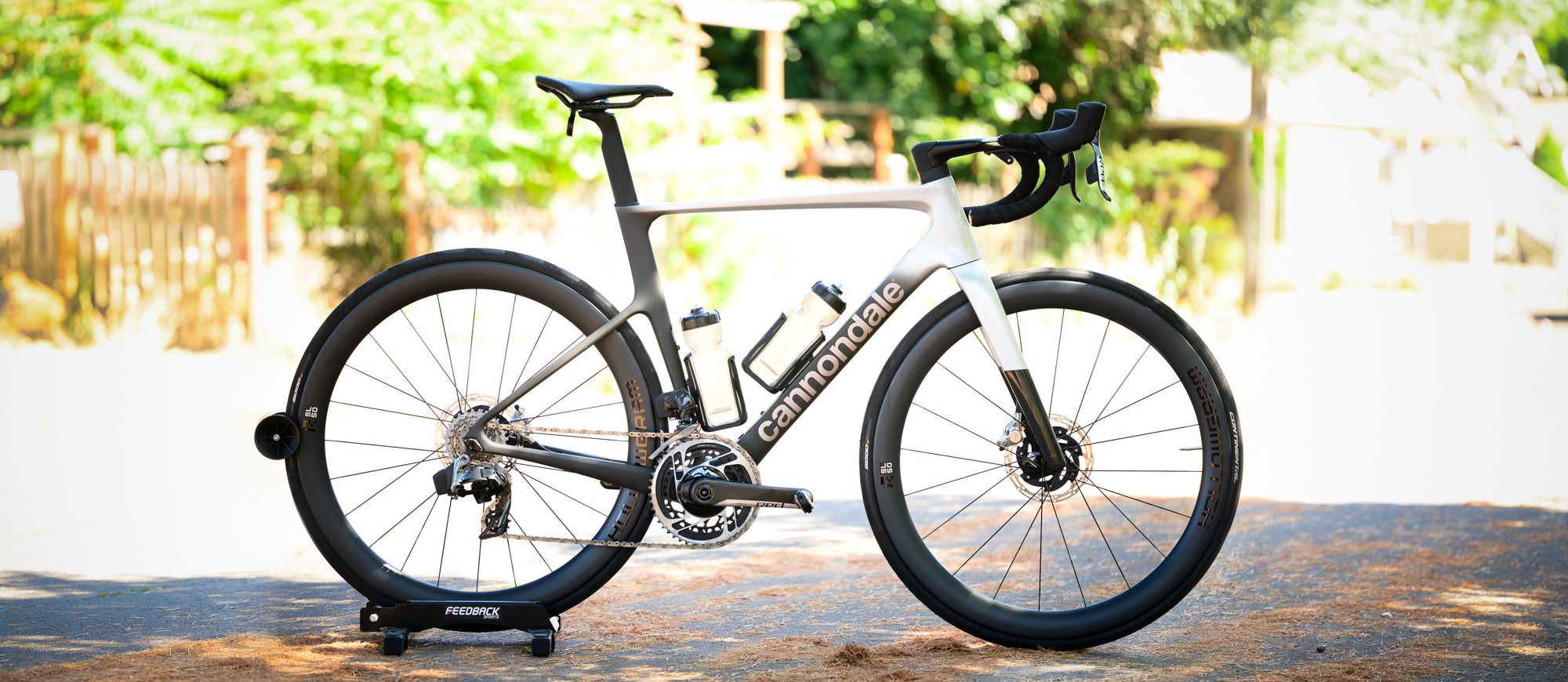
The SuperSix EVO Gen 5 is a genuinely excellent all-around race bike that nearly every reviewer agrees is more refinement than reinvention — a consensus strong enough that Escape Collective called it "Evo 4.5."
- Aero gain vs. Gen 4: Cyclingnews wind-tunnel testing at Silverstone measured just 1.46W faster in bike-only testing, leaving it behind the Specialized Tarmac SL8 and Factor ONE in aerodynamic performance.
- Handling and climbing: Near-universal praise — BikeRadar, Cycling Weekly, and CyclingNews all flag the stiffer, more reactive feel and revised geometry (10mm lower stack) as a genuine improvement in on-road connection, especially descending.
- Value split: Velo's Josh Ross and BikeRadar both argue the $8,000–$10,000 flagship builds are hard to justify against the Specialized Tarmac SL8, Canyon Aeroad CF SLX, and Giant Propel; Ross singles out the $3,000 mechanical 105 build as the only version he'd personally buy.
- Fit accessibility: The lower, longer front end drew repeated criticism — a 100mm stem is often required, and the shorter head tube reduces fit options for riders accustomed to a higher stack.
- Reviewer disagreement: Cycling Weekly called it "everything the Gen 4 should have been"; one Surly Diabetic Cycling host sold his Hi-Mod after finding it top-heavy and inferior to his Tarmac SL8 in vibration damping.
Skip if: you're upgrading from a Gen 4 EVO — the ride feel is near-identical and no reviewer found the delta sufficient to justify the switch.
What reviewers actually said
Cannondale Supersix Evo Hi-Mod 1: Built on the GEN4 platform, it features a rigid, highly reactive frame engineered to transfer the explosive power of heavy-duty power riders straight to the tarmac.
This latest iteration is certainly an improvement over the previous generation. A modest one, but an improvement nonetheless.
Cannondale has indeed chopped 10mm off the head tube length, which reduces the stack by the same amount and increases the reach by 4mm.
Tire clearance expands to 32mm.
After weeks of teasing at Pro Races, the fifth generation Cannondale Super 6 Evo is finally here... it looks almost exactly like the old one because in reality, not much has changed. This is a small update.
The latest SuperSix EVO was released earlier this week, with incremental changes made to the bike's geometry and weight.
Cannondale claims the new generation of the SuperSix is the lightest disc brake frame and fork it's ever produced, with a painted size 56 cm Series 0 frame module roughly 140 g lighter than its predecessor.
The new frame is indeed lighter, down to 728 g for the top end Lab 71 version with three levels of carbon to choose from. That's a 42 g saving over the old bike and the entire frameset is nearly 150 g lighter.


How it compares
The road bikefield — SKUs we’ve researched or seen mentioned alongside the Cannondale SuperSix EVO Gen 5. Research a competitor to add its full brief.
+ 28 more in this class.
Related
Want this on a road bike we haven’t covered?
Name it and we’ll read the reviews, the forums and the manufacturer’s own documentation, and write the page.